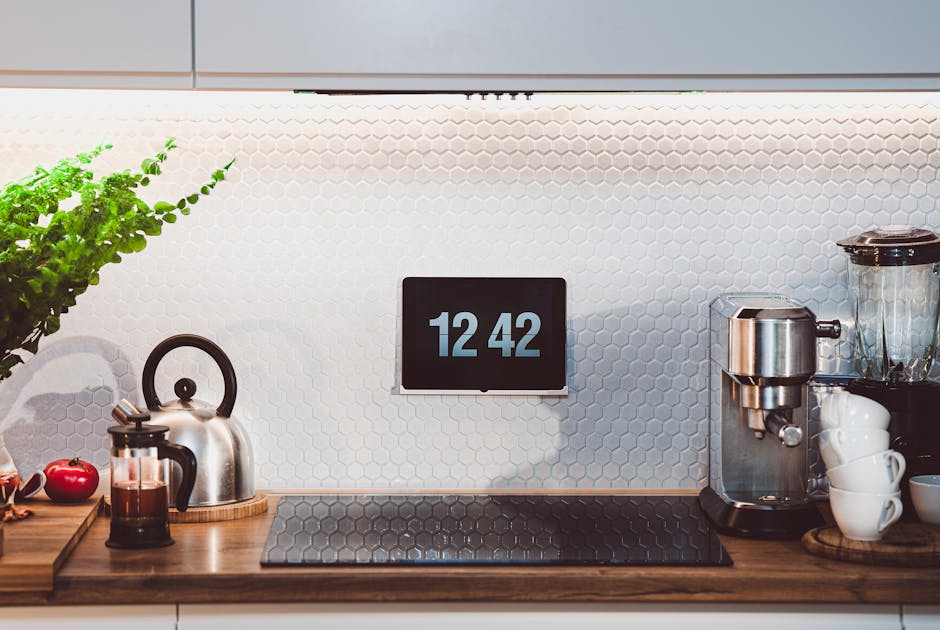
At 8:15 AM, the kitchen counter is cluttered with the remnants of a rushed breakfast: a half-eaten piece of toast, a mug of cold coffee, and the planner still closed on the table. The phone buzzes with notifications, a reminder that the day is already slipping away. As a remote worker, the morning routine is meant to set a structured tone for the day, but with a late start, the carefully crafted system begins to unravel. The usual sequence of checking the weather and laying out tasks gets interrupted, leaving the day feeling disorganized before it even begins.
As I glance at the planner, I realize I’ve skipped the crucial step of reviewing my priorities for the morning. The notifications pull my attention away, and I find myself scrolling through messages instead of focusing on the tasks ahead. This small habit of neglecting the planner, combined with the chaos of a late start, creates a ripple effect. Without that initial reset, the rest of the day feels like a series of missed checks and rushed decisions, making it harder to regain control over my weekday routine.
The Morning Routine in Motion
The kitchen counter is a chaotic mix of breakfast items: a half-opened box of cereal, a butter dish, and a coffee maker gurgling softly in the background. The planner, usually a cornerstone of my morning routine, sits closed and untouched beside the toaster, a silent reminder of the structure I’m missing. Glancing at the clock, I realize I’m running late—my usual 30-minute breakfast prep has shrunk to a frantic 15-minute scramble.
As I pour a quick bowl of cereal, I can’t help but think about the small habit of checking the weather before stepping out. I reach for my phone, but a notification buzzes on the screen, pulling my attention away. Instead of checking the weather, I find myself scrolling through messages, losing precious time. Each moment spent distracted feels like a small tradeoff, further complicating my already delayed start.
While I rush to finish breakfast, I mentally note that I should have placed my planner in a more visible spot—perhaps right next to the coffee maker, where I can’t miss it. That simple adjustment could have reminded me to review my priorities before diving into the day. Instead, I’m left with a sense of disarray, knowing that without this initial reset, the rest of my weekday routine is likely to feel just as scattered.
The First Sign of Trouble
This same friction shows up again in Everyday Life In The, especially when the day tightens unexpectedly.
As I stand at the kitchen counter, pouring a steaming cup of coffee, the familiar hum of my morning routine feels off-kilter. The planner, still closed on the table, is a silent reminder of what I’ve neglected. Just as I take a sip, my phone buzzes with a notification, pulling my attention away from the comforting ritual. It’s a message that demands my response, and I find myself scrolling through my screen instead of focusing on the day ahead.
This distraction leads to a missed check on the weather, a crucial step I usually prioritize. I rush to grab my jacket, only to realize I’ve chosen the wrong one—too light for the chilly drizzle outside. This oversight not only adds to my frustration but also sets a disorganized tone for the rest of the day. Had I placed my phone out of reach, I might have avoided the interruption and remembered to check the forecast. Now, I’m left scrambling, knowing that this small lapse has already derailed my weekday routine before it even begins.
Why the Routine Breaks Down
A slightly different version of this problem appears in Daily Routines Real Life, where the sequence changes but the hidden drag feels familiar.
The closed planner on the kitchen counter serves as a stark reminder of what I’ve overlooked. It’s 8:15 AM, and the day feels like it’s already slipping away. I should have checked the weather before I poured my coffee, but the buzzing notification from my phone pulls me into a reactive mindset. Instead of planning my breakfast and reviewing my tasks, I find myself scrolling through messages, which only adds to my stress. The planner, untouched and closed, symbolizes missed opportunities to set a clear intention for the day.
- Prioritize checking the weather before breakfast.
- Keep your phone out of reach to maintain focus.
- Open the planner first thing to visualize your day.
By the time I finally grab my jacket, I realize it’s too thin for the chilly drizzle outside. This oversight stems from a hidden step I neglected: the weather check. My good intentions to have a structured morning fall flat when I allow distractions to dictate my actions. As I rush to leave, I can’t shake the feeling that this small lapse has already set a disorganized tone for the rest of my day.
A Simple Adjustment to Regain Control
As I stand at the kitchen counter, the closed planner on the table feels like a missed opportunity. I can’t recall the last time I opened it before breakfast, which usually helps me visualize my day. Instead, I’m caught in a rush, trying to prepare a quick meal while glancing at my phone. To regain some control, I decide to place the planner in a more visible spot, right next to the coffee maker. This way, it’s impossible to overlook it as I pour my morning cup.
To further streamline my breakfast routine, I set a timer on my phone for ten minutes. This small adjustment creates a focused window for preparing my meal, preventing me from getting sidetracked by notifications. As the timer counts down, I chop vegetables for an omelet, glancing at the planner every few minutes to remind myself of the tasks ahead. But just as I’m about to crack the eggs, a notification buzzes on my phone. I resist the urge to check it, knowing that this distraction could derail my morning reset. However, the tension lingers. I can already feel the disorganization creeping in from my late start, and I wonder if these small changes will be enough to counteract the chaos of the day.
Carrying Forward the Adjustment
With the planner now prominently positioned next to the coffee maker, I can’t help but feel a slight lift in my mood. Each glance at it while I prepare breakfast reminds me of the meetings and tasks awaiting me later in the day. This small adjustment—placing my planner in a visible spot—creates a mental anchor that helps me prioritize my morning activities, even as I scramble to reset after a late start.
As I finish cooking my omelet, the timer buzzes, signaling that I’ve spent just the right amount of time on breakfast without getting lost in distractions. I take a moment to jot down a quick note about a project deadline that had slipped my mind, feeling more organized already. This structured start leads me to consider how tonight’s evening routine might unfold. With the planner checked and my breakfast prepared, I can envision a smoother transition into my evening tasks, such as setting aside time for a quick review of tomorrow’s agenda.
Yet, the lingering tension from the late start still hangs over me. I know that while these adjustments help, they are just a band-aid on a larger issue of consistency. The phone buzzes again, a reminder of the distractions lurking in the background. I wonder if I can maintain this momentum through the day or if the chaos will creep back in, making it harder to reset tonight.
As I stand at the kitchen counter, the planner remains closed, a silent witness to my scattered thoughts. I realize that without checking the weather, I might miss an opportunity to adjust my outfit for the day, which could lead to another layer of discomfort. Each small habit, like glancing at the planner or setting out my coffee mug where I can see it, acts as a tether to a more manageable routine. Yet, the phone buzzes again, pulling me away from this moment of clarity and reminding me how easily distractions can derail my reset.
It's clear that when the day starts late, these small adjustments become crucial lifelines. They help me navigate the chaos, but they also highlight the fragility of my weekday routine. To keep things on track, I need to make it a point to check the weather before I leave the house, ensuring that I step out feeling prepared rather than rushed. This simple action could be the difference between a manageable day and one that spirals out of control.